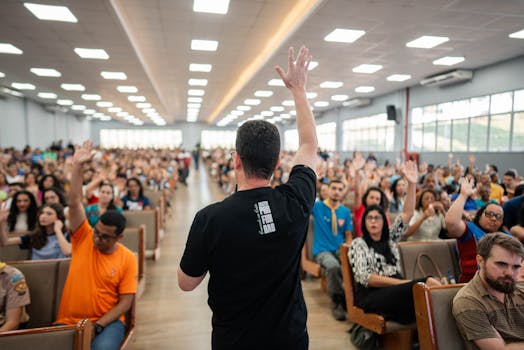
The discourse surrounding effective pedagogical approaches is perpetually in flux, often demanding a nuanced understanding beyond superficial trends. Among these, “Luke Beasley education” has emerged as a topic warranting deeper examination, moving past its nascent recognition to delve into its foundational philosophies and practical applications. It’s not simply about a name; it’s about a distinct methodology that purports to reshape how we conceive of and deliver educational experiences. Many might assume it’s a rigid, one-size-fits-all system, but the reality is far more dynamic and adaptable.
The Philosophical Underpinnings: Why Luke Beasley Education Resonates
At its heart, Luke Beasley education is built upon a bedrock of learner-centricity. This isn’t a novel concept, but the way it’s operationalized within this framework offers a fresh perspective. It prioritizes understanding the individual learner’s cognitive style, prior knowledge, and motivational drivers. This is a crucial distinction from traditional models that often operate on the assumption of a standardized learner.
Instead of focusing solely on curriculum delivery, Luke Beasley education places significant emphasis on fostering critical thinking, problem-solving skills, and intrinsic motivation. The pedagogical techniques employed are designed to encourage active engagement rather than passive reception of information. This cultivates a deeper level of comprehension and retention, moving beyond rote memorization towards genuine understanding.
Core Pillars of Implementation: How It Works in Practice
The practical implementation of Luke Beasley education is multifaceted and requires a dedicated approach from educators. It often involves:
Personalized Learning Pathways: Tailoring the pace, content, and learning activities to meet the unique needs of each student. This might involve adaptive learning technologies or flexible curriculum modules.
Project-Based Learning (PBL): Engaging students in authentic, real-world problems that require them to apply knowledge and skills across disciplines. PBL encourages collaboration, creativity, and self-directed learning.
Formative Assessment Strategies: Utilizing ongoing assessments not just to grade students, but to inform instruction and provide timely feedback. This allows for adjustments to be made mid-stream, ensuring no learner is left behind.
Emphasis on Metacognition: Teaching students how to learn. This involves helping them understand their own learning processes, identify effective study strategies, and develop self-regulation skills.
Navigating Challenges and Maximizing Impact
While the promises of Luke Beasley education are compelling, its successful integration is not without its hurdles. One significant challenge lies in the resource allocation and teacher training required. Implementing personalized pathways and PBL necessitates a shift in pedagogical skills and often requires more individualized attention from educators, which can strain existing resources.
Furthermore, ensuring equitable access to the technologies and support systems that underpin some of these approaches is paramount. Without careful planning, there’s a risk of widening the digital divide or creating disparities in educational quality.
However, the potential rewards are substantial. When executed effectively, Luke Beasley education can lead to:
Increased Student Engagement and Motivation: Learners feel more invested when their education is relevant and tailored to them.
Improved Academic Outcomes: Deeper understanding and skill development translate to better performance.
Enhanced 21st-Century Skills: Graduates are better equipped with the adaptability, critical thinking, and collaborative abilities demanded by the modern world.
Greater Teacher Professional Development: Educators often find renewed purpose and efficacy when empowered to innovate and personalize.
The Role of Technology and Adaptability
It’s crucial to acknowledge that Luke Beasley education is not inherently technology-dependent, but modern advancements can significantly amplify its effectiveness. Learning management systems, educational apps, and data analytics tools can streamline the process of personalization and formative assessment. However, the human element remains indispensable. Technology should serve as an enabler, not a replacement for skilled educators who can interpret data, provide empathetic guidance, and foster genuine connections.
The adaptability of Luke Beasley education is also a key strength. It can be integrated into various educational settings, from K-12 classrooms to university lectures and professional development programs. Its core principles—learner-centricity, skill development, and continuous feedback—are universally applicable.
Rethinking Educational Futures
The journey towards truly effective education is continuous, and approaches like Luke Beasley education offer valuable insights into how we can better serve our learners. It challenges us to move beyond antiquated models and embrace a more dynamic, responsive, and ultimately, more humanistic approach to teaching and learning. The focus shifts from simply imparting knowledge to cultivating lifelong learners who are equipped to navigate an ever-changing world.
Wrapping Up: The Imperative for Evolution
Luke Beasley education, with its emphasis on personalized learning, critical skill development, and adaptive methodologies, represents a significant step forward in pedagogical thinking. It underscores the need for educators to be facilitators of learning, fostering environments where students are empowered to take ownership of their educational journeys. The question for institutions and individuals alike is no longer if we should evolve, but how quickly can we adapt to harness the full potential of such transformative educational frameworks?